Simple yet critical holistic protocols can improve immune responses and bolster natural immunity
01/21/2026 / By Lance D Johnson

- A holistic health model is gaining traction, emphasizing the body’s innate healing capabilities through lifestyle and natural support over a reliance solely on synthetic pharmaceuticals.
- Immune function is intricately linked to gut health, stress levels, sleep quality, and nutritional status, making a whole-body approach essential for long-term resilience.
- Specific natural protocols, including herbs and supplements, can be effectively matched to different symptoms, offering a personalized toolkit for immune support.
- Historical use of plants and dietary wisdom forms the bedrock of this movement, which is now being validated by contemporary understanding of human physiology.
The foundation of fortitude
The modern understanding of immunity has evolved from seeing it as a simple army to recognizing it as a complex, conversational ecosystem within the body. About seventy percent of this system resides in the gut, in what scientists call the gut-associated lymphoid tissue. This means the balance of bacteria, the integrity of the intestinal lining, and the foods that travel through it directly dictate immune responses. It is a revelation that connects a plate of fermented vegetables or a fiber-rich meal directly to one’s ability to ward off illness. Similarly, the hormones cascading through our bodies during stressful times, primarily cortisol, act as a dimmer switch on immune vigilance. This explains why people so often succumb to a cold after a period of intense work or personal turmoil; the body’s defenses are literally instructed to stand down. Therefore, the first principles of this health philosophy are not exotic supplements but accessible, daily practices: protecting sleep, managing stress with breath or movement, and feeding the gut with intention.
A historical tapestry of healing
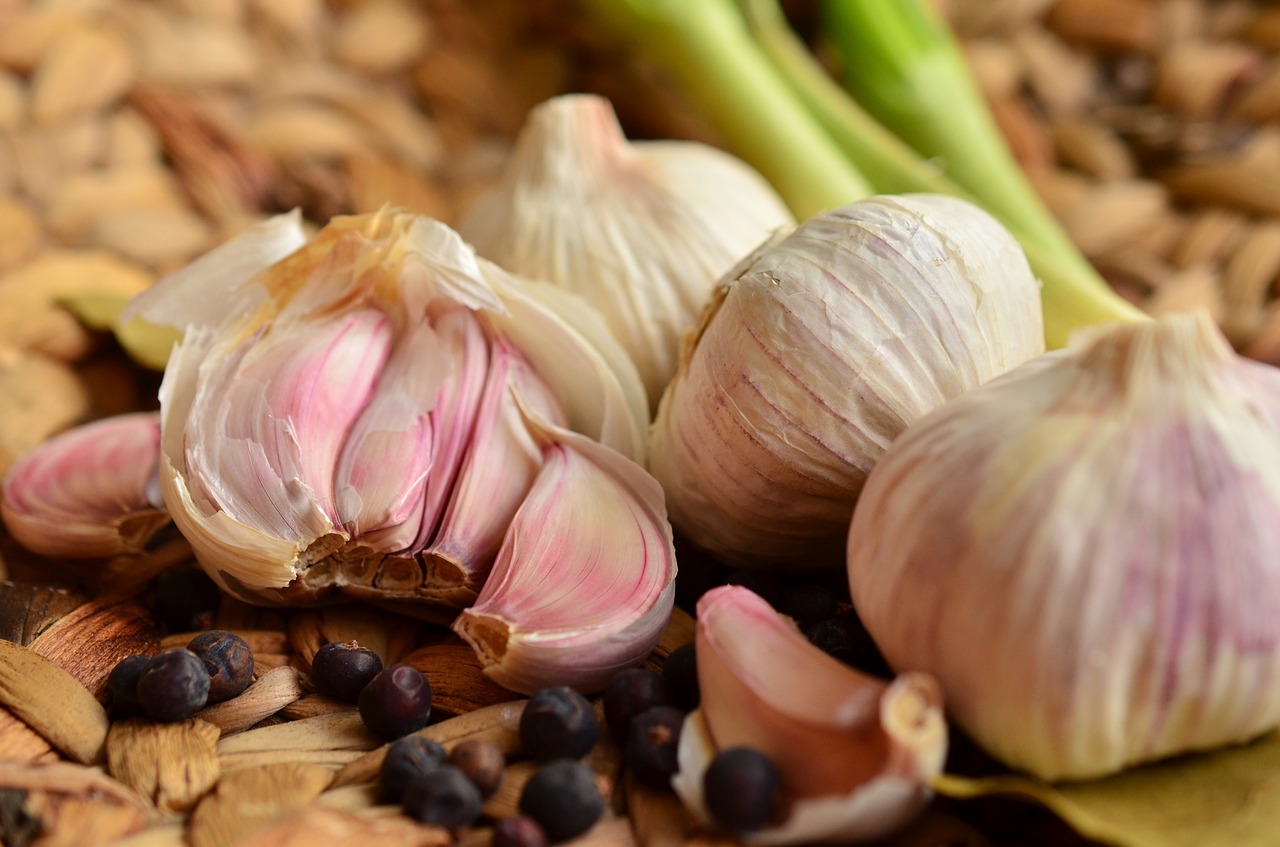
For centuries, before the advent of modern pharmaceuticals, cultures worldwide relied on the pharmacopeia of the natural world. Elderberry syrups, garlic infusions, and bone broths were the original medicines, passed down through generations. Today’s resurgence is not a rejection of science but an integration, applying contemporary research to these traditional remedies. We now understand, for instance, why vitamin D, synthesized from sunlight, is so crucial—it acts less like a vitamin and more like a hormone, directing immune cell activity. The historical emphasis on consuming organ meats and broths provided dense amounts of zinc and collagen, minerals and proteins we now know are critical for immune cell replication and barrier health. This new paradigm is, in many ways, a homecoming, blending ancestral wisdom with modern clinical insight to create a more nuanced and personal map to wellness.
A protocol for every signal
The beauty of this approach lies in its specificity. Rather than a blunt tool, it offers a refined set of instruments designed for the body’s different cries for help. When the sinus passages feel thick and burdened, a protocol might include mullein to soothe membranes, black cumin seed oil for its antihistamine properties, turmeric to calm inflammation, and cayenne pepper capsules to stimulate circulation and drainage. A raw, aching throat finds comfort in the demulcent coating of marshmallow root, the lung-supportive action of mullein, and the anti-inflammatory, anti-viral power of licorice root.
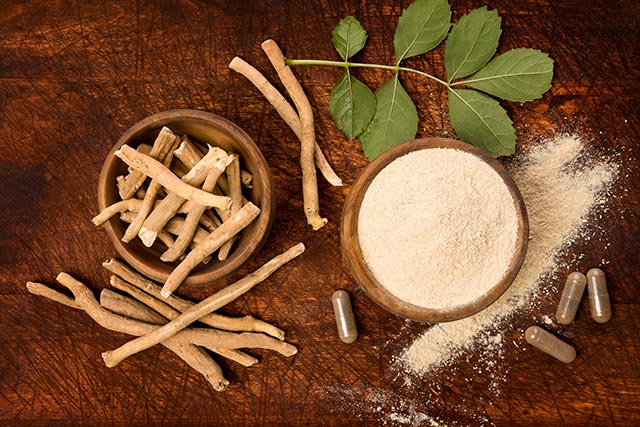
For gastrointestinal distress, the toolkit shifts to ginger root for nausea, gentian root to stimulate digestive juices, peppermint oil to ease cramping, activated charcoal for occasional toxin binding, and Oregon grape root for its antimicrobial support. A pounding headache may be met with the natural salicylates in white willow bark, the calming effect of Jamaican dogwood bark, and the nervine properties of skullcap herb. During an influenza-like onslaught, a combination of elderberry to inhibit viral replication, licorice for immune modulation, ashwagandha for stress support, and goldenseal for its antimicrobial action can provide comprehensive support.
Even in the absence of symptoms, the philosophy advocates for general preventative maintenance. This includes adaptogens like Siberian ginseng to help the body manage stress, high doses of vitamin C to maintain antioxidant reserves, and a focus on the foundational nutrients like vitamin D, zinc, and probiotics that keep the immune system’s communication lines clear and responsive. It is a practice of attentive stewardship, listening to the body’s signals to prevent bigger issues down the road.
This path does not promise invincibility, but rather a profound partnership with one’s own physiology. It argues that health is not a passive state received from an external authority, but an active, daily cultivation.
Sources include:
Submit a correction >>
Tagged Under:
adaptogens, alternative medicine, Elderberry, gut health, herbal medicine, holistic health, immune system, integrative medicine, lifestyle medicine, natural cures, natural health, natural medicine, natural remedies, Naturopathy, nutrition, probiotics, self-care, sleep science, stress management, vitamin D, wellness, zinc
This article may contain statements that reflect the opinion of the author
RECENT NEWS & ARTICLES