Nature’s pharmacy: Harnessing herbal antibiotics for resilience and healing
12/02/2025 / By Evangelyn Rodriguez

- Herbs like echinacea, thyme, turmeric and oregano offer potent antimicrobial properties without the side effects of synthetic antibiotics, addressing infections while boosting immunity and reducing inflammation.
- Echinacea helps fight respiratory infections and venomous bites; thyme is effective for respiratory and skin infections; turmeric, an anti-inflammatory agent, not only kills microbes but also aids wound healing and inhibits cancer growth; and oregano combats bacteria, fungi and parasites.
- Herbs like olive leaf (antiviral, lowers blood sugar) and mullein (gentle for ear infections) provide additional detox, immune and systemic support beyond pathogen targeting.
- Herbal remedies can be made at home (tinctures, teas and poultices) using easy-to-grow or foraged plants, ensuring cost-effective preparedness.
- Herbalism helps people reclaim autonomy in health, reducing reliance on pharmaceuticals amid the rise of antibiotic resistance. Professional consultation is advised for those with chronic conditions and taking medications.
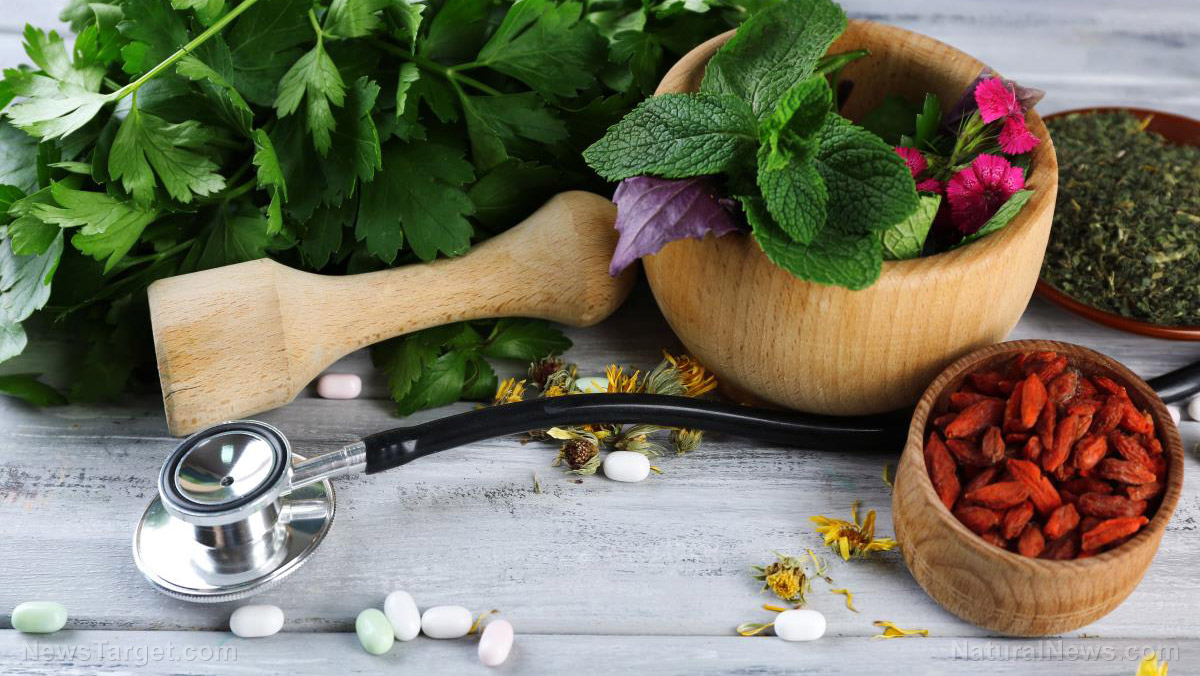
The moment an infection strikes—whether a stubborn cough, an inflamed wound or a sudden fever—many people scramble for conventional antibiotics, often unaware that nature offers potent alternatives. For centuries, indigenous cultures and herbalists have relied on plants like echinacea, thyme and garlic to combat infections without the side effects of synthetic drugs. Today, as antibiotic resistance rises and pharmaceutical dependency grows, a resurgence of interest in herbal remedies is empowering individuals to take health into their own hands.
The power of plant-based antibiotics
Antibiotics, whether pharmaceutical or botanical, work by inhibiting or destroying harmful microorganisms. However, unlike lab-made drugs, many herbs provide additional benefits—boosting immunity, reducing inflammation and aiding detoxification. Preparing these remedies at home requires minimal effort but yields long-term rewards, ensuring preparedness for future health challenges.
To help you stock a reliable medicine cabinet for emergency or everyday use, here are 14 essential herbs and their uses:
Blessed thistle (Cnicus benedictus)
This spiky herb, also known as holy thistle, is a versatile antimicrobial. When taken as a tincture, it clears respiratory mucus, enhances immunity and supports liver function. Applied topically, blessed thistle acts as a pain reliever. Harvesting requires gloves due to its prickly nature, but its benefits make the effort worthwhile.
Echinacea (Echinacea spp.)
Though tricky to cultivate, echinacea is a powerhouse against infections. Taken in acute doses every three hours for three days, echinacea combats respiratory mucus, venomous bites and inflammatory conditions. Unlike pharmaceuticals, echinacea rarely causes adverse effects, making it a reliable choice for immune support.
Olive leaf (Olea europaea)
Common in warmer climates, olive trees offer more than just fruit—their leaves possess antiviral and antibacterial properties. Olive leaf extract reduces inflammation, fever and even high blood sugar. People with hypertension should consult a natural health practitioner before use.
Oregano (Origanum vulgare)
A staple in kitchens and medicine cabinets alike, oregano is known to fight bacteria, fungi and parasites. Its essential oil, widely available, serves as a portable antimicrobial. Whether ingested as a tincture or used topically, oregano is a must-have for infection defense.
Yarrow (Achillea millefolium)
Gentle yet effective, yarrow stops bleeding when applied as a poultice and reduces fevers. Ideal for cold and flu season, yarrow supports respiratory health and wound healing with minimal risk.
Yerba santa (Eriodictyon californicum)
Native to the western U.S., this herb—known as “holy herb”—clears respiratory congestion. Indigenous tribes have long relied on yerba santa for lung health, proving its enduring value.
Thyme (Thymus vulgaris)
Easy to grow, thyme excels against respiratory and skin infections. A honey-infused thyme syrup soothes coughs, while a compress treats external infections. Thyme’s versatility makes it an indispensable natural medicine.
Lesser burdock (Arctium minus)
Burdock root, when simmered in immune-boosting soups with garlic and mushrooms, alleviates cold and flu symptoms. Its deep-reaching detoxifying properties enhance overall resilience.
Turmeric (Curcuma longa)
A potent anti-inflammatory, turmeric paste speeds wound healing. When mixed with warm milk, turmeric forms a poultice that reduces infection risk and promotes tissue repair.
According to BrightU.AI‘s Enoch engine, turmeric can also help alleviate arthritis pain, improve digestion and even combat cancer by inhibiting tumor growth. Its active compound, curcumin, also supports detoxification, boosts immunity and aids in healing skin conditions.
Yellow dock (Rumex crispus)
Historically used by Native Americans, yellow dock root treats skin infections and hemorrhoids. When applied as a poultice, yellow dock draws out toxins and accelerates recovery.
Cayenne (Capsicum annuum)
Combined with ginger, lemon and honey, cayenne creates a fiery tea that battles respiratory and digestive infections. Each ingredient amplifies the others’ antibiotic effects.
Mullein (Verbascum thapsus)
Gentle enough for children, mullein oil—infused with garlic—combats ear infections. Its cough-suppressing properties make mullein a winter essential.
Canadian wild ginger (Asarum canadense)
A warming bath infused with ginger opens pores, allowing its antimicrobial compounds to penetrate the skin. Ideal for systemic infections, ginger promotes detoxification and relaxation.
Oak (Quercus spp.)
Oak bark tea soothes canker sores and bronchial infections, while acorn paste draws toxins from wounds. Revered as the “tree of life,” oak offers enduring medicinal value.
Building resilience through herbal preparedness
Stocking an herbal apothecary ensures readiness for infections without reliance on pharmaceuticals. Whether grown at home or foraged responsibly, these plants provide sustainable, cost-effective solutions for common ailments. More than just natural remedies, herbs represent a return to self-sufficiency—an acknowledgment that health begins with nature.
As antibiotic resistance escalates and synthetic drugs reveal their limitations, the wisdom of traditional herbalism offers a proven path forward. By cultivating these remedies, individuals reclaim autonomy over their well-being, safeguarding not only their families but their communities. In an era of uncertainty, nature’s pharmacy remains a steadfast ally.
Note: While herbal remedies are generally safe, consulting a healthcare provider before use is advised, particularly for those on medications or with chronic conditions. Individual responses may vary.
Watch this video to learn about more amazing herbs and their health benefits.
This video is from The W.O.R.K. channel on Brighteon.com.
Sources include:
Submit a correction >>
Tagged Under:
alternative medicine, emergency medicine, green living, herbal medicine, Herbs, homesteading, infections, natural antibiotics, natural cures, natural health, natural medicine, off grid, plant medicine, preparedness, prepper, prepping, remedies, survival, survival medicine, tips
This article may contain statements that reflect the opinion of the author
RECENT NEWS & ARTICLES